Advances in Offshore Fish Farming and Seaweed Cultivation Infrastructure
离岸鱼类养殖与海藻栽培设施研究进展
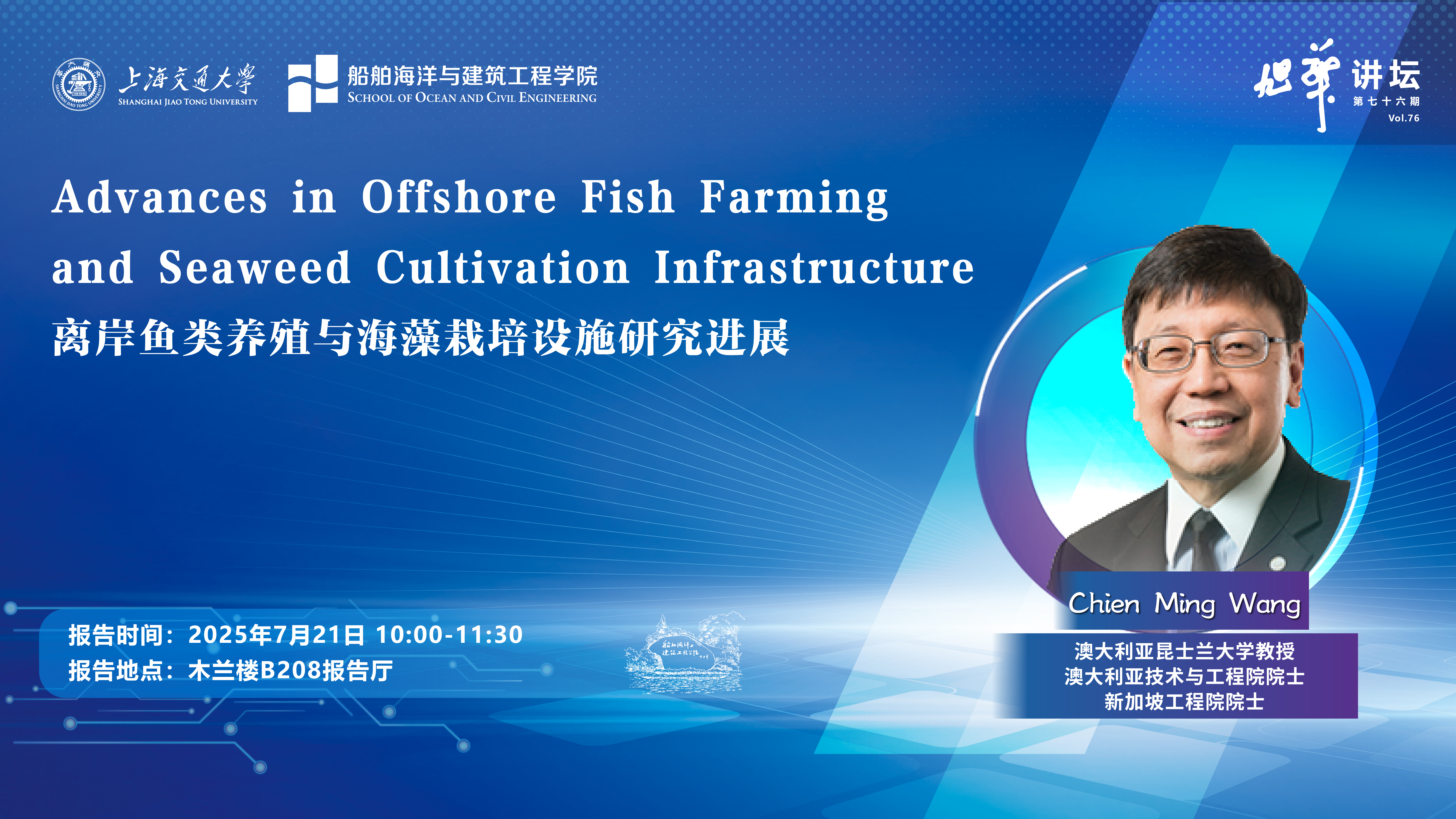
Offshore aquaculture is emerging as a key solution to meet global food demand while reducing environmental pressures on coastal ecosystems. Recent advances in offshore fish farming and seaweed cultivation infrastructure are driving this transition. Innovations such as automated feeding system, AI powered remote monitoring and resilient cage designs are enhancing efficiency and sustainability in fish farming. Meanwhile, new seaweed cultivation techniques including submersible modular platforms and rope-based systems are optimizing growth and productivity. The integration of aquaculture with renewable energy and marine spatial planning is further strengthening the blue economy approach, promoting ecosystem health and carbon sequestration. This lecture reviews these technological and strategic developments, highlighting their role in shaping the future of offshore aquaculture infrastructure.
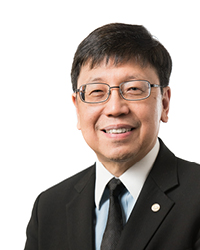
C.M. Wang is a Professor in Structural Engineering, The University of Queensland. He is a Fellow of the Australian Academy of Technology and Engineering, a Member of the European Academy of Sciences and Arts, a Fellow of Academy of Engineering Singapore, and a Fellow of the Institution of Structural Engineers. His research interests are in the areas of structural mechanics and floating structures. He is the Leader of the Offshore Engineering Program of the Blue Economy Cooperative Research Centre that conducts research projects that combine seafood, renewable energy and offshore engineering, underpinned by a $329 million grant from the Australian Government and industry partners over a 10-year period. His current research focuses on the development of offshore aquaculture infrastructure.